
Reviews
Sweet Journey Duo Platformer succeeds in creating a cooperative experience that feels genuinely supportive. The puzzles require real coordination without being punishing, and the visual style is consistently cheerful. The lack of time pressure allows players to communicate and plan together, which strengthens the bond between them. While the game may not challenge experienced solo players, its strength lies in its accessibility and the joy of shared accomplishment. It is a rare title that prioritizes cooperation over competition, making it an excellent choice for family game nights or casual sessions with a friend.
Description
Cooperative Core Design
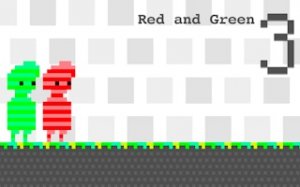
This platformer is built around the idea that two players must work as a team. Each person controls one character, and many areas require simultaneous actions. For instance, one player might need to stand on a pressure plate while the other dashes across a gap. The levels are structured so that communication and timing are essential. There is no competitive element, so the focus stays on helping each other succeed. This makes the game suitable for pairs with different skill levels, as the more experienced player can guide without rushing.
Visual Style and Atmosphere
The pixel-art visuals create a charming, low-stakes world. Bright colors and rounded shapes define the environment, with sweets and confections scattered throughout the backgrounds. The characters are designed to be expressive and friendly, with simple animations that convey emotion. The overall tone is lighthearted and encouraging. Sound effects are playful and non-intrusive, reinforcing the casual feel. The art direction avoids any dark or intense themes, keeping the experience appropriate for all ages.
Puzzle and Obstacle Variety
Levels incorporate simple puzzles that require logical thinking. Common challenges include pushing blocks to form bridges, activating switches in the correct order, and timing movements to avoid moving barriers. The difficulty ramps up gradually, introducing new elements at a comfortable pace. Some puzzles may require one player to distract a hazard while the other collects items. This variety keeps the gameplay fresh without overwhelming newcomers. Each stage feels like a small, self-contained challenge that builds on previous lessons.
Accessibility and Player Comfort
The controls are straightforward, with basic movement and interaction buttons. There is no complex combo system or steep learning curve. The game also offers options to adjust the pace, such as a slower mode for younger players. The cooperative nature means that if one player falls behind, the other can wait or help. This reduces frustration and promotes a supportive atmosphere. The design encourages repeated attempts without penalty, allowing players to experiment with different strategies.
Collectibles and Scoring
Scattered across each stage are collectible treats that contribute to a final score. While collecting them is optional, doing so adds an extra layer of challenge for those who want to optimize their run. The scoring system is simple and does not create pressure. Players can replay levels to improve their collection count, which adds replay value. There are no leaderboards or competitive rankings, so the focus remains on personal and shared achievement.
Compatibility
Faq
Handpicked Games
Cube Path Swing Adventure
Flip Runner: Gravity Platformer
Winged Woodland Glide
Quick Reflex Lab

Stacking Dolls: Timing Challenge
Recall Pairs: Brain Training

Stellar Drift: Classic Space Shooter

Mind Mansion Puzzle Escape

Night School Logic Challenge
Player Comments
Sign in to comment
You must be logged in before posting a review or rating.
No account? Create one
No comments yet. Be the first to comment!