
Reviews
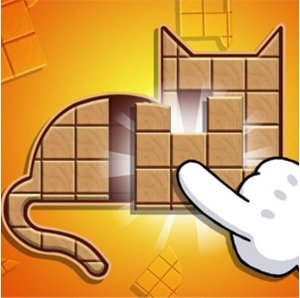
Wooden Block Puzzle Journey provides a soothing puzzle experience with its wooden-themed pieces and gentle progression. The lack of time limits allows for stress-free play, while the increasing difficulty keeps the brain engaged. Ideal for all ages, it is a great choice for casual gaming sessions.
Description
Game Introduction
Wooden Block Puzzle Journey is a casual puzzle game that invites players to assemble wooden jigsaw pieces into complete images. The game focuses on creating a relaxing environment where the primary goal is to match shapes and colors to form pictures. It is designed for players of all ages, from young children to adults, and emphasizes calmness and mental engagement. The puzzles start with simple shapes, such as animals, and gradually become more complex, encouraging spatial reasoning and patience. The wooden aesthetic and lack of time constraints make it a soothing activity for anyone looking to unwind while keeping their mind active.
How to Play
To play, players drag wooden pieces from a side panel and place them into a blank frame. The objective is to fit all pieces together to complete the picture. Beginners can start by identifying pieces with straight edges, which often form the border of the puzzle. There are no timers, so players can take as long as they need. As puzzles advance, matching pieces by color or shape becomes helpful. The controls are intuitive, making the game accessible even for those new to puzzle games.
Game Features
Wooden Block Puzzle Journey features a clean, minimalist visual style that reduces distractions and promotes focus. The gameplay is stress-free, with no timers or scoring pressure. Puzzles increase in difficulty gradually, providing a satisfying challenge for players. The game is family-friendly and suitable for all ages. It is designed for casual play, making it ideal for short breaks or longer sessions. The game can be played on various devices without restrictions, offering flexibility for users.
Tips for Success
To improve, sort pieces by edge and interior groups. Completing the border first provides a clear structure. Look for distinctive shapes or colors to match pieces. Take breaks if stuck, as returning with fresh eyes can help. Regular practice enhances pattern recognition and spatial skills, making harder puzzles easier over time.
Compatibility
Faq
Handpicked Games

Dash Match 3 Puzzle

Royal Tile Matching Puzzle

Shelf Sorting Puzzle Adventure

Match Away 3D Cube Puzzle

Cosmic Match 3 Puzzle

Jelly Jive Match 3 Puzzle
Puzzle Box Color Match

Juice Match Puzzle
Color Tower Puzzle Game
Player Comments
Sign in to comment
You must be logged in before posting a review or rating.
No account? Create one
No comments yet. Be the first to comment!